• Skip to main content

New England Public Radio

  • Donate
  • National Public Radio
  • Public Radio International
  • Facebook
  • Twitter
  • Instagram

What Will Marijuana Legalization Mean For Mass. Law Enforcement?

by: Henry Epp

Big changes are ahead for Massachusetts, after voters legalized the recreational use of marijuana through a ballot question this week. State officials are now looking to create regulations for the sale and use of a drug, which is still illegal on the federal level.

RELATED: Top Mass. Marijuana Regulator Looks To Raise Taxes, Slow Down Timeline For Retail

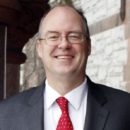
For more on what legalization means for law enforcement, we turned to Northwestern District Attorney David Sullivan. His district covers Hampshire and Franklin Counties and the Worcester County town of Athol. Sullivan opposed the ballot question, and he said he’d like to see legislators make changes to the law.

Click the audio player above to hear Henry Epp’s conversation with Sullivan on the implications of marijuana legalization for local law enforcement.

The Short List: A Conversation About Race And Law Enforcement

by: Susan Kaplan

What made The Short List this week?

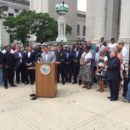
  • Are those of us experiencing the latest police violence from a distance bystanders or witnesses? A conversation about race, law enforcement, civil rights movements and what might be done in our cities and towns to make communities safer.

Click the audio player above to hear New England Public Radio’s Susan Kaplan explore these issues with Natalia Munoz from Vaya Con Munoz on WHMP and Rick Hurst, publisher of the newspaper African American Point of View.

Mass. Senate President Wants State To Help Fund Body Camera Program

Massachusetts Senate President Stan Rosenberg says the state should provide money to help local police departments try out body cameras on officers. He says with some witnesses recording police interactions on cell phones, body cameras can ensure both police and citizens are treated fairly.

“We want to make sure that where technology is used, it’s being used properly,” Rosenberg says. “And that means, to our way of thinking, that we should do some pilots in the commonwealth to look at the policy construct that would have to be created so that there’s fair and balance use and access.”

Rosenberg says two Massachusetts communities, Gill and Taunton are already testing the devices. He expects legislative hearings on body cameras to be held later this year.

Northampton Swears In First Female Police Chief

by: Susan Kaplan

Northampton, Massachusetts, swears in the city’s first female police chief Tuesday evening.

Jody Kasper has been with the Northampton police department for 19 years, rising through the ranks.

Kasper says gender has not been an obstacle for her. She says there’s a tight network of women police officers in the area. But Kasper acknowledges there’s room for improvement.

“There’s not very many women police officers, “Kaapser says. “It’s about 11 percent, 12 percent nationwide. It’s right in-between there. And here in Northampton, it’s even much lower than that. We’re only at 6 percent right now.”

Kasper replaces Chief Russell Sienkiewicz, who is retiring.

Listen to Kasper’s interview with New England Public Radio’s Susan Kaplan by clicking the audio player above.

Hampden DA-Elect Gulluni Plans To Start A Community Dialogue

by: Henry Epp

In a few weeks, Anthony Gulluni will be sworn in as Hampden County District Attorney. He’s been a prosecutor for more than five years, and will take over the office as relations between communities of color and law enforcement have gained national attention. During the campaign, Gulluni pledged to hold regular public meetings to reach out to everyone in the county. I asked him when he plans to start those meetings.

To hear my conversation with Gulluni, click on the audio player above.

At Conference On Western Mass. Heroin ‘Crisis,’ Officials Call For New Funding

by: Henry Epp

Hundreds of people packed a conference on opiate addiction at Greenfield Community College Monday. Some local and state officials used the venue to appeal for more state money for treatment.

Law enforcement and public health officials have a long list of potential solutions to what they call an opiate “crisis” in western Massachusetts.

“Immediate solutions are to make sure that we have more treatment and detoxification beds in western Mass. so people can get immediate care,” says Northwestern District Attorney Dave Sullivan. “The other is to restrict the amount of prescription pain medications that are given out to patients everyday.”

On the law enforcement side, Paula Carey, Chief Justice of the state trial court, says Massachusetts needs more specialty “drug courts.”

“What we’re proposing is eight drug courts, some may end up being regional courts, as we begin to roll out further intensive efforts to address the issues of addiction,” Carey says.

All those efforts will take state money. At the conference, State Senator Stan Rosenberg of Amherst says combating opiate addiction is a budget priority this year, but didn’t specify how much the legislature might dedicate to the problem.


  • Listen Online
  • HD Radio
  • Mobile, iPhone & Android
  • Reception FAQs
  • Five College Consortium
  • Springfield Central Cultural District
  • National Public Radio
  • Public Radio International
  • University of Massachusetts
  • Amherst College
  • Mount Holyoke College
  • Smith College
  • Hampshire College
  • Five Colleges Incorporated
  • Springfield Central Cultural District

© 2026 New England Public Radio